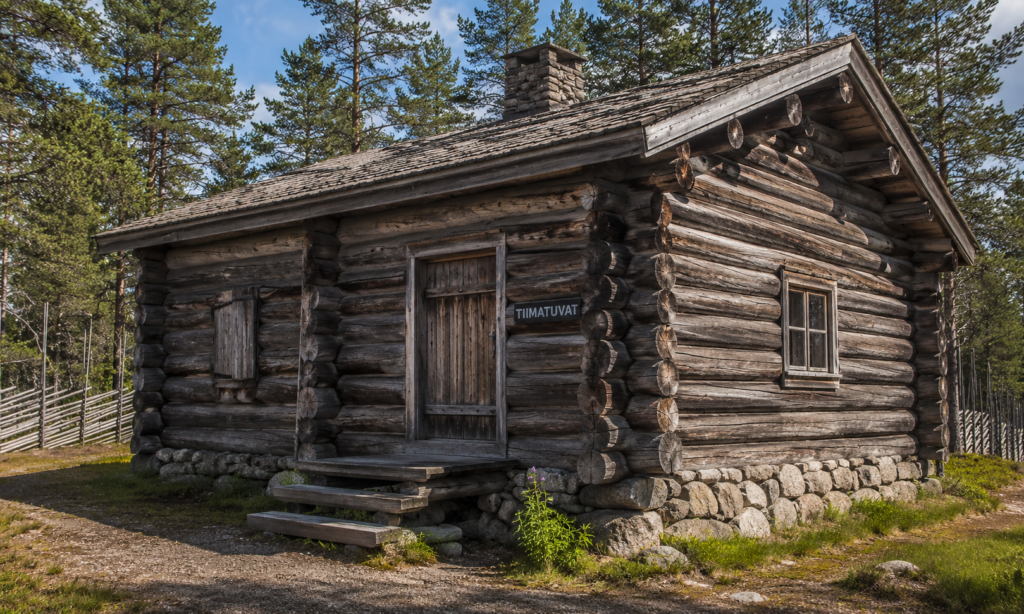
Imagine standing in a snow-covered Finnish forest, surrounded by centuries-old log buildings that seem to grow right out of the earth. Their weathered timber walls, moss-covered rooftops, and hand-crafted joinery tell a story of resilience, craftsmanship, and deep respect for nature.
This is the world of Tiimatuvat — a term rooted in Finnish vernacular building tradition that captures the essence of traditional Finnish architecture. These humble yet extraordinary structures have shaped rural Finland for hundreds of years, and today they are experiencing a remarkable cultural revival.
Whether you are an architecture enthusiast, a heritage traveller, or simply someone who loves Nordic culture, understanding Tiimatuvat and traditional Finnish architecture will open your eyes to one of Europe’s most distinctive and soul-stirring building traditions.
Quick Answer: What Is Tiimatuvat?
Tiimatuvat refers to a type of traditional Finnish log building — typically a small, timber-framed rural dwelling or outbuilding. These structures are central to Finnish vernacular architecture, defined by their hand-hewn logs, notched corners, turf or wooden roofs, and harmony with the surrounding landscape.
Table of Contents
- 1. The Origins of Traditional Finnish Architecture
- 2. What Makes Tiimatuvat Unique?
- 3. Key Features of Finnish Log Buildings
- 4. The Role of the Finnish Sauna in Vernacular Design
- 5. Scandinavian Rural Homes vs. Finnish Heritage Buildings
- 6. Why Tiimatuvat Matters Today
- 7. Where to Experience Finnish Architecture Heritage
- 8. FAQs About Tiimatuvat and Finnish Architecture
- 9. Conclusion
The Origins of Traditional Finnish Architecture
Finnish architecture has always been shaped by the land itself. Finland is a country of vast boreal forests, frozen lakes, and long, dark winters. Naturally, therefore, the earliest builders turned to what the forest provided — timber.
The tradition of constructing log buildings in Finland dates back over a thousand years. However, the golden era of Finnish vernacular architecture ran from the 17th to the early 20th century. During this period, farms across rural Finland developed a distinctive architectural vocabulary: low-pitched roofs, thick log walls for insulation, and small windows to retain warmth.
Tiimatuvat emerged as an important part of this building culture. These log structures served various practical functions — as living quarters, storage, saunas, or livestock shelters — yet each was built with remarkable care and skill.
What Makes Tiimatuvat Unique?
What sets Tiimatuvat apart from other building traditions is the extraordinary level of handcraft involved. Every log was selected, felled, and shaped by hand. Builders used traditional notching techniques to lock logs together at corners without nails or metal fasteners — a method so effective that many structures have survived centuries intact.
Core Characteristics of Tiimatuvat
- Hand-hewn timber construction using locally sourced pine or spruce
- Interlocking corner notch joints — no metal hardware required
- Low, sweeping rooftops often covered with turf or wooden shingles
- Small, deeply recessed windows that minimise heat loss
- Integrated building clusters where multiple small structures form one farm complex
- Natural weatherproofing using tar, moss chinking, and birch bark
These qualities make Finnish log buildings not only beautiful but also highly functional. Because they were designed to work with the climate rather than against it, many traditional Finnish buildings maintain comfortable interior temperatures even in the harshest Nordic winters.
Key Features of Finnish Log Buildings
Understanding the defining features of Finnish log buildings helps explain why they remain so admired by architects and heritage enthusiasts worldwide.
1. The Log Wall System
The wall is the soul of any traditional Finnish building. Builders selected straight, mature pine logs and shaped them using axes and adzes. The logs were stacked horizontally,with moss or hemp packed between courses to seal out cold air. Over time, the wood would settle and compress, creating a tight, weatherproof wall.
2. The Roof Structure
Roofs in traditional Finnish vernacular architecture were designed for snow loads. Gently pitched, they were often covered first in birch bark — acting as waterproofing — and then layered with turf for insulation. This living roof design is not only beautiful but also environmentally brilliant.
3. The Interior Layout
Interiors were compact and purposeful. A large central fireplace or stove dominated the single main room, radiating heat throughout. Built-in benches, sleeping platforms, and storage alcoves were carved directly into the log walls. Furniture was minimal but exquisitely crafted.
The Role of the Finnish Sauna in Vernacular Design
No discussion of traditional Finnish architecture would be complete without the sauna. In Finland, the sauna is not merely a bathing facility — it is a sacred space, a social hub, and a cornerstone of national identity.
Finnish sauna design is deeply integrated into the Tiimatuvat building tradition. The smoke sauna (savusauna) is the oldest form, a low, windowless log structure where heated stones would fill the room with thick smoke before bathing. These structures are among the most atmospheric and architecturally distinctive of all Finnish heritage buildings.
Today, the Finnish sauna was added to UNESCO’s Intangible Cultural Heritage list in 2020 — a recognition of its profound cultural significance and a boost for the preservation of traditional sauna-related architecture.
Scandinavian Rural Homes vs. Finnish Heritage Buildings
While Scandinavian rural homes share some similarities with Finnish heritage buildings — particularly in their use of wood and their relationship with nature — there are key differences worth noting.
Farm Complex Layout: Finnish farmsteads traditionally arranged multiple small log buildings around a central yard — a layout known as a pihatto — which distinguishes them from many other Nordic farm designs.
Building Material: Finnish buildings typically use pine or spruce logs. Swedish and Norwegian rural buildings often use similar woods but with different regional variations in construction technique.
Corner Joinery: Finnish log joinery, particularly the saddle notch, is considered among the most refined in the Nordic world.
Sauna Integration: The sauna is uniquely central to Finnish architectural culture in a way that has no direct equivalent in Sweden or Denmark.
Why Tiimatuvat Matters Today
In an era of mass-produced, energy-intensive construction, Tiimatuvat offer a compelling alternative. These ancient building techniques are increasingly being revisited by architects, sustainability advocates, and heritage conservationists for several powerful reasons.
Sustainability and Low Carbon Design
Traditional Finnish log buildings are made entirely from renewable materials. Timber sequesters carbon, the buildings require no synthetic insulation, and many are designed to last for centuries with minimal maintenance. In the context of today’s climate crisis, this wisdom feels remarkably timely.
Cultural Identity and Heritage Tourism
Tiimatuvat and Finnish heritage buildings are increasingly attracting tourists seeking authentic cultural experiences. Open-air museums, heritage farm stays, and architectural tours now draw thousands of visitors to Finland’s rural heartland each year.
Where to Experience Finnish Architecture Heritage
If you want to see traditional Finnish architecture up close, these destinations are unmissable:
- Seurasaari Open-Air Museum, Helsinki: An island museum featuring over 80 historic Finnish buildings relocated from across the country, including traditional log farms and Tiimatuvat.
- Ylöjärvi Heritage Farm, Pirkanmaa: A beautifully preserved 19th-century farm complex showcasing authentic Finnish vernacular architecture.
- Keuruu Old Church and Surrounds, Central Finland: A stunning example of the fusion of Finnish religious and vernacular building traditions.
- Oulu Museum of Northern Ostrobothnia: Offers excellent insight into the regional variations of Finnish log building traditions.
Key Takeaways
- Tiimatuvat are traditional Finnish log buildings central to Finland’s vernacular architectural heritage.
- They are defined by hand-hewn timber, interlocking corner joinery, and turf or wooden roofs.
- Finnish sauna design is an integral part of the Tiimatuvat building tradition.
- These structures offer powerful lessons for sustainable, low-carbon building today.
- Finland’s open-air museums and heritage farms are the best places to experience this tradition firsthand.
Conclusion: A Living Legacy Worth Protecting
Tiimatuvat and traditional Finnish architecture represent far more than just old buildings. They embody a way of living that was intimately connected to the natural world — built with skill, care, and an understanding of materials that modern construction rarely matches.
From the interlocking log joinery to the moss-sealed walls and smoke-blackened sauna chambers, every element of Finnish heritage buildings tells a story. That story deserves to be heard, celebrated, and preserved.
If you are passionate about Nordic culture, sustainable design, or architectural history, make Tiimatuvat your next discovery. Visit a Finnish open-air museum, explore a heritage farm, or simply start learning more about this remarkable building tradition.
The beauty of traditional Finnish architecture is waiting for you — and it is unlike anything else in the world.
FAQs About Tiimatuvat and Traditional Finnish Architecture
1. What does Tiimatuvat mean in Finnish?
Tiimatuvat refers to a style of traditional Finnish log building — typically a small, timber-framed rural structure. The term is rooted in Finnish vernacular building culture and describes dwellings or farm outbuildings constructed using ancient log techniques.
2. How old are traditional Finnish log buildings?
Finnish log building traditions date back over 1,000 years. However, the most refined examples of Finnish vernacular architecture, including Tiimatuvat farmsteads, are typically from the 17th to the early 20th century.
3. Are Finnish heritage buildings well preserved today?
Many Finnish heritage buildings are preserved in open-air museums and on working heritage farms. However, a significant number of rural log structures are still at risk of deterioration due to abandonment and lack of funding for restoration.
4. Why is Finnish sauna design important in traditional architecture?
The sauna is culturally central to Finnish life and was historically one of the most important buildings on any Finnish farm. Finnish sauna design, particularly the smoke sauna (savusauna), represents one of the most distinctive and ancient elements of Finnish vernacular architecture.
5. Can I visit traditional Finnish log buildings as a tourist?
Absolutely. Finland has several outstanding open-air museums and heritage farms where you can walk through authentic Tiimatuvat and traditional Finnish log buildings. The Seurasaari Open-Air Museum in Helsinki is one of the best starting points.