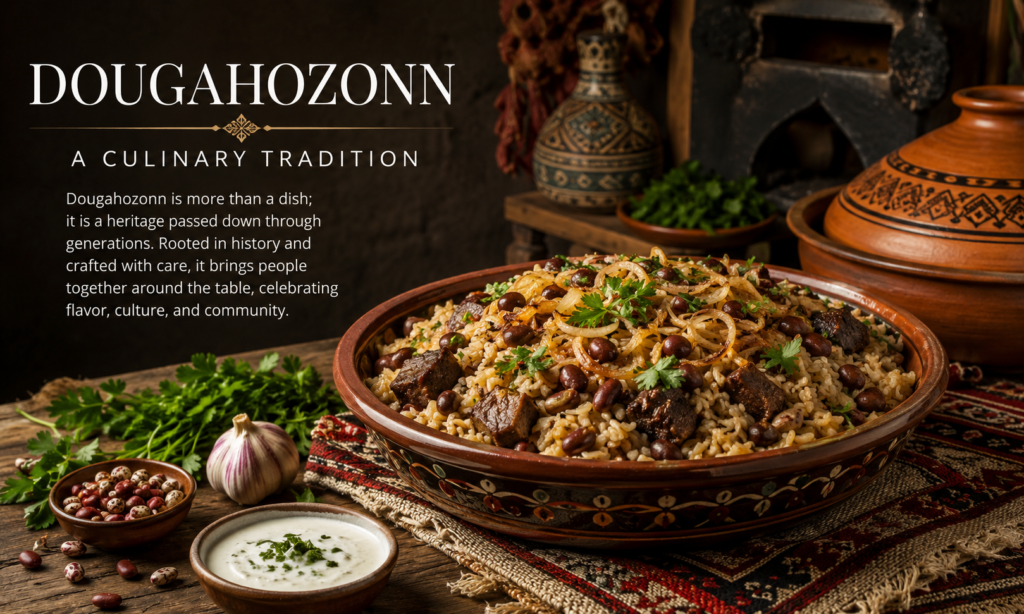
Food tells stories that words often cannot. Across cultures, recipes carry memories, values, and generations of wisdom. Dougahozonn: Preserving Culinary Tradition While Embracing Innovation represents this beautiful balance between honoring heritage and adapting to modern tastes.
Today’s food lovers want authenticity, but they also seek creativity, sustainability, and fresh experiences. Dougahozonn stands at the crossroads of tradition and innovation, proving that cultural cuisine can evolve without losing its identity.
As global gastronomy changes rapidly, Dougahozonn offers an inspiring example of how culinary heritage can survive and thrive in a modern world.
What Is Dougahozonn?
A Culinary Philosophy Rooted in Heritage
Dougahozonn is more than a food movement. It represents the preservation of traditional cooking methods while welcoming modern culinary creativity.
The philosophy behind Dougahozonn focuses on:
- Protecting cultural recipes
- Respecting regional ingredients
- Encouraging culinary experimentation
- Adapting traditions for future generations
Unlike trends that disappear quickly, Dougahozonn builds a bridge between the past and the future.
Featured Snippet Answer
What does “Dougahozonn: Preserving Culinary Tradition While Embracing Innovation” mean?
Dougahozonn refers to a culinary approach that protects traditional food heritage while integrating modern cooking techniques, sustainability, and creative gastronomy. It values authentic flavors, cultural storytelling, and innovation that keeps traditional cuisine relevant in today’s evolving food culture.
Why Culinary Tradition Matters
Food Connects Generations
Traditional recipes preserve identity. Families often pass cooking methods from one generation to another, creating emotional and cultural connections.
When traditional cuisine disappears, communities lose:
- Historical knowledge
- Cultural identity
- Local agricultural practices
- Authentic regional flavors
Therefore, preserving culinary heritage is about much more than food.
Traditional Foods Build Cultural Awareness
Modern consumers increasingly value authenticity. According to culinary experts and organizations like UNESCO, traditional food practices are an important part of intangible cultural heritage.
Additionally, trusted culinary resources such as National Geographic Food Culture highlight how regional cuisine strengthens cultural understanding worldwide.
How Dougahozonn Embraces Innovation
Blending Old Techniques With Modern Creativity
Dougahozonn succeeds because it does not resist change. Instead, it adapts carefully while protecting authenticity.
Modern culinary innovation includes:
1. Contemporary Presentation
Traditional dishes now feature refined plating styles that appeal to modern diners.
2. Health-Conscious Adaptations
Many classic recipes are updated using:
- Organic ingredients
- Reduced sugar
- Plant-based alternatives
- Sustainable sourcing
3. Technology in Gastronomy
Modern kitchens use advanced tools without abandoning traditional flavor profiles.
Examples include:
- Precision cooking
- Fermentation control
- Smart kitchen systems
- Sustainable food preservation
Innovation Keeps Traditions Alive
Without adaptation, many traditional cuisines risk becoming forgotten. Dougahozonn demonstrates that innovation can actually protect heritage by making it appealing to younger generations.
This balance creates a stronger future for cultural cuisine.
The Role of Sustainability in Modern Cuisine
Local Ingredients Matter More Than Ever
Sustainability is now central to global gastronomy. Dougahozonn supports local farmers, seasonal ingredients, and ethical sourcing.
Benefits include:
- Reduced environmental impact
- Fresher ingredients
- Stronger local economies
- Better food quality
Consumers increasingly choose restaurants and food brands that prioritize sustainability.
Reducing Food Waste
Modern culinary innovation also focuses on minimizing waste.
Dougahozonn-inspired kitchens often use:
- Nose-to-tail cooking
- Root-to-leaf preparation
- Fermentation techniques
- Ingredient recycling methods
As a result, traditional wisdom and modern environmental awareness work together naturally.
Why Dougahozonn Matters Today
A Response to Fast Food Culture
Fast food and mass production have transformed eating habits worldwide. However, many people now seek deeper food experiences.
Dougahozonn answers this demand by offering:
- Authenticity
- Storytelling
- Cultural connection
- Artisanal quality
This shift explains why heritage dining and traditional gastronomy continue gaining popularity globally.
Social Media and Culinary Discovery
Platforms like Instagram, YouTube, and TikTok have helped traditional cuisines reach new audiences.
Visually appealing dishes combined with cultural storytelling make Dougahozonn-style gastronomy highly discoverable online.
Consequently, younger audiences are reconnecting with culinary heritage in exciting ways.
Quick Insights: Why It Matters
Why Dougahozonn Is Important in Modern Gastronomy
- Preserves disappearing culinary traditions
- Encourages sustainable food practices
- Inspires culinary creativity
- Supports local communities
- Connects younger generations with heritage
- Keeps authentic cuisine relevant globally
The movement proves that tradition and innovation do not need to compete. Instead, they can strengthen one another.
Challenges Facing Culinary Preservation
Globalization Creates Pressure
Many traditional food systems struggle because of:
- Industrial food production
- Changing lifestyles
- Urbanization
- Ingredient shortages
However, Dougahozonn offers a practical solution by modernizing tradition without sacrificing authenticity.
Education Is Essential
Future chefs and food enthusiasts must understand culinary history before reinventing it.
Educational programs, cultural festivals, and local food initiatives play a major role in preservation efforts.
The Future of Dougahozonn
A Growing Global Movement
The future of gastronomy will likely focus on authenticity, sustainability, and innovation together.
Dougahozonn aligns perfectly with these trends because it encourages:
- Ethical sourcing
- Cultural respect
- Creative experimentation
- Culinary storytelling
As consumers become more conscious, traditional innovation will continue shaping the global food industry.
Key Takeaways
- Dougahozonn blends culinary heritage with modern innovation.
- Traditional cuisine preserves culture and identity.
- Sustainability plays a major role in modern gastronomy.
- Innovation helps traditional food remain relevant.
- Culinary storytelling attracts younger generations.
- Dougahozonn supports authentic and sustainable dining experiences.
Conclusion
Dougahozonn: Preserving Culinary Tradition While Embracing Innovation highlights the future of global gastronomy. It shows that cultural heritage and modern creativity can coexist beautifully.
As food culture evolves, preserving authenticity becomes increasingly important. At the same time, innovation keeps traditional cuisine exciting and accessible for new generations.
Whether through sustainability, storytelling, or culinary experimentation, Dougahozonn proves that the best food traditions are the ones willing to grow without forgetting their roots.
If you enjoyed this article, explore more insights into culinary heritage, sustainable gastronomy, and evolving food culture trends.
FAQs
What is Dougahozonn in gastronomy?
Dougahozonn is a culinary approach that preserves traditional food culture while integrating modern cooking innovation and sustainability.
Why is culinary tradition important?
Culinary tradition protects cultural identity, preserves historical recipes, and connects generations through food and storytelling.
How does Dougahozonn support sustainability?
Dougahozonn encourages local sourcing, seasonal ingredients, waste reduction, and environmentally responsible cooking practices.
Can innovation damage traditional cuisine?
Innovation can harm authenticity if used carelessly. However, thoughtful innovation helps traditional cuisine survive and evolve.
Why are younger generations interested in traditional food again?
Social media, food tourism, and cultural awareness have made authentic culinary experiences more appealing to younger audiences.